PRODUCT

PRODUCT

PRODUCT

Service:

Digital

Type:

Product

Industries:

Ecommerce, Hospitality, Retail

Year:

– 2026
MY ROLE

End - to - End UX Designer

PLATFORM

Mobile iOS App

METHODS

Research Wireframes • Usability Testing Hi-Fi Proto

USERS CITED TOO MANY PRODUCT CHOICES AS THEIR TOP BARRIER TO PURCHASING A NEW BIKE ONLINE.

TASK COMPLETION RATE ACHIEVED BY ALL PARTICIPANTS IN THE FINAL ROUND OF USABILITY TESTING.

OF TESTERS SAID THE RIDE FINDER FEATURE GAVE THEM CONFIDENCE TO MOVE FORWARD WITH A PURCHASE DECISION.

OF PARTICIPANTS FELT THE APP'S TRUST SIGNALSFREE SHIPPING, 24/7 SUPPORT - MEANINGFULLY REDUCED PURCHASE HESITATION.

THE PROBLEM

Choice Overload

Cluttered competitor catalogs overwhelmed high income buyers researching $2K+ bikes, causing dropoff before checkout.

No Mobile Presence

The brand lacked a dedicated mobile app - critical for a 24-38 tech-forward demographic shopping primarily on phone.

Trust Gap at Checkout

Forced account creation and unclear return policies broke conversions before payment was ever reached.

KEY SOLUTIONS

Choice Overload

Cluttered competitor catalogs overwhelmed high income buyers researching $2K+ bikes, causing dropoff before checkout.

No Mobile Presence

The brand lacked a dedicated mobile app - critical for a 24-38 tech-forward demographic shopping primarily on phone.

Trust Gap at Checkout

Forced account creation and unclear return policies broke conversions before payment was ever reached.

WHAT I LEARNED

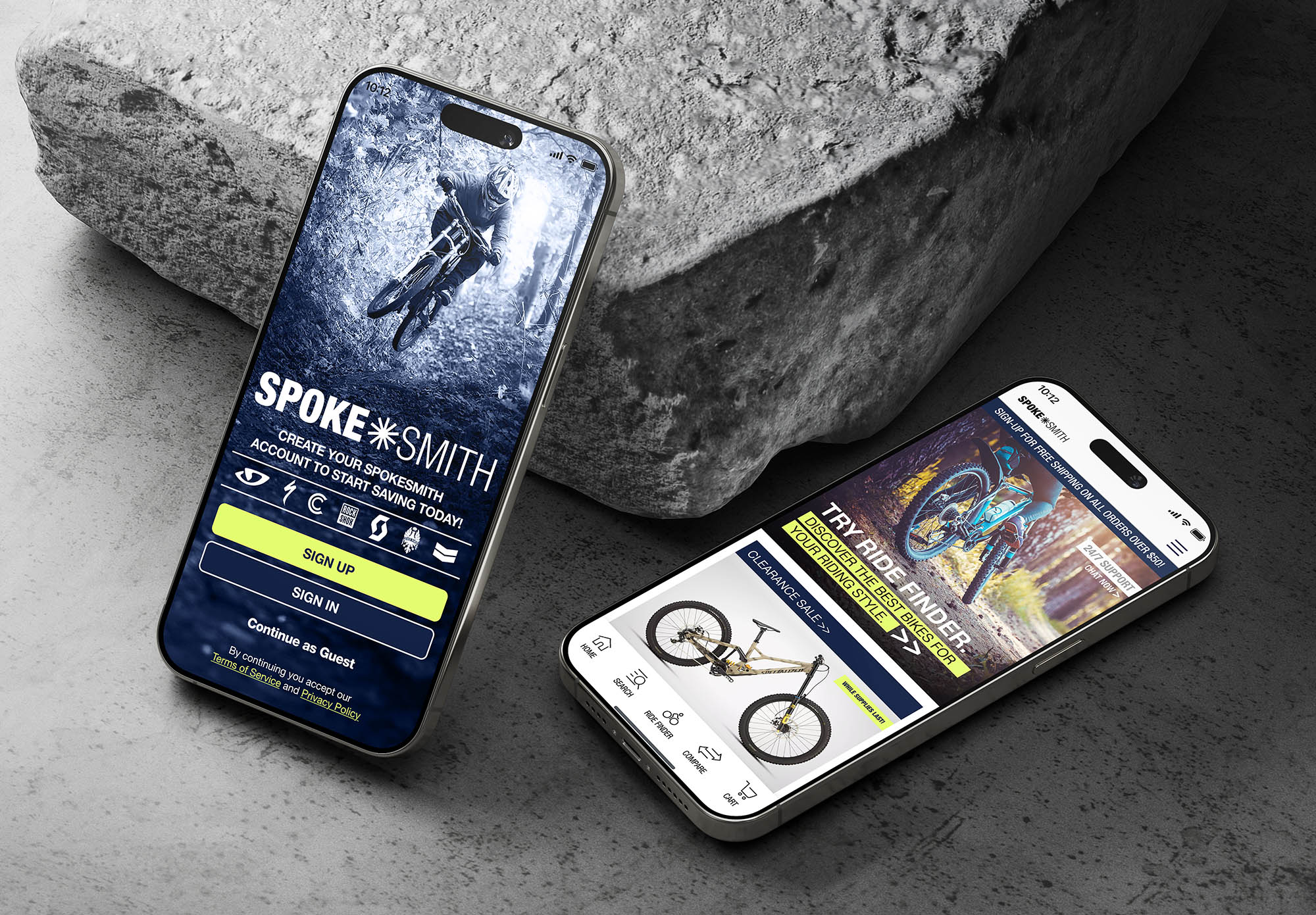
This project taught me how to drive higher conversion, build brand loyalty, and strengthen user trust by applying PET Design strategies. I increased conversion through persuasive cues - typographic highlights that emphasized scarcity and social proof. To foster emotional connection, I incorporated large product hero images and a Ride a Finder feature delivering personalized recommendations. Trust was built through transparent pricing, 24/7 support, and perks like free shipping and account-holder discounts.

WHAT IT SOLVED

The app established the company's first dedicated mobile shopping presence, significantly enhancing the customer experience. A user-centered design approach introduced custom bike pairing suggestions based on riding type, terrain, suspension preferences, and experience level - making product discovery more personalized and intuitive. Part icon callouts on product pages further improved clarity, and PET strategies built stronger emotional connections reinforced by free 24/7 support and free shipping.

DESIGN PROCESS 6-PHASE SPRINT

PH.01

DISCOVERY

Personas • Competitive Audit

PH.02

ARCHITECTURE

Red Routes • IA Mapping

PH.03

LO-FI + TEST

Wireframes • Usability R1

PH.04

HI-FI R1

Color • WCAG AA• Proto

PH.05

VALIDATE R2

Guerrilla • 100% Completion

PH.06

FINAL POLISH

Hi-Fi Iteration • Handoff

The large bike images makes the design pop like I'm in the store.

— Ella • Usability Test Participant, Round 2

SPOKESMITH • MOBILE APP • PET DESIGN

WHAT I LEARNED-

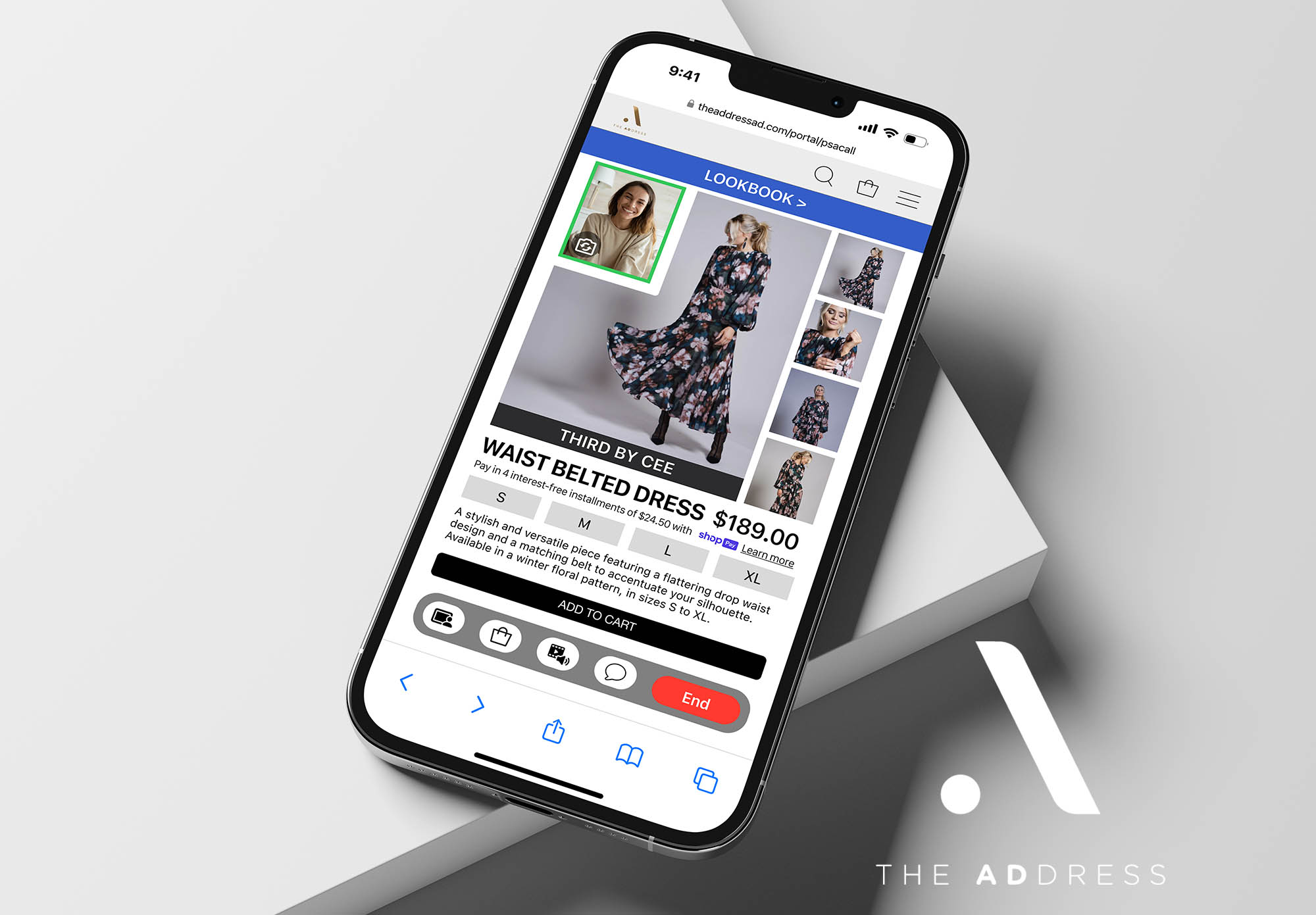
Working on the American Dream shopping mall's The Address project allowed me to apply the product development process I learned through the Springboard program while collaborating with a team of designers under real-world a project constraints. Collaborating from the ideation stage through to high-fidelity design enabled us to create a more robust. innovative, and user-centered solution by incorporating diverse perspectives. This collaborative approach also accelerated the project timeline, allowing us to develop a successful user-centered MVP much faster than a single designer could have on their own.

WHAT IT SOLVED-

The browser-based solution we developed addressed the store's challenge of utilizing slow customer traffic periods by enabling sales associates to provide personalized shopping consultations remotely, allowing customers to shop from the comfort of their own homes during these times. By implementing a service model that required customers to pay a deposit, which could be applied toward any purchases made as a result of the consultation but retained if no purchase was made, allowing the store to continue generating revenue even during low traffic periods.

VIEW THE ADDRESS CASE STUDY >

WHAT I LEARNED-

Working on the American Dream shopping mall's The Address project allowed me to apply the product development process I learned through the Springboard program while collaborating with a team of designers under real-world a project constraints. Collaborating from the ideation stage through to high-fidelity design enabled us to create a more robust. innovative, and user-centered solution by incorporating diverse perspectives. This collaborative approach also accelerated the project timeline, allowing us to develop a successful user-centered MVP much faster than a single designer could have on their own.

WHAT IT SOLVED-

The browser-based solution we developed addressed the store's challenge of utilizing slow customer traffic periods by enabling sales associates to provide personalized shopping consultations remotely, allowing customers to shop from the comfort of their own homes during these times. By implementing a service model that required customers to pay a deposit, which could be applied toward any purchases made as a result of the consultation but retained if no purchase was made, allowing the store to continue generating revenue even during low traffic periods.

VIEW THE ADDRESS CASE STUDY >

WHAT I LEARNED-

Over the course of the Flavor Flux project, I gained experience with a design process that was much more researchdriven than a typical graphic design approach. obtained a detailed understanding of the target audience by implementing a user screener survey to identify key users and conducting interviews to uncover their needs and emotions throughout the restaurant discovery journey. Having always gravitated toward a research-driven creative process, I recognized the value of interacting with the target audience before beginning the design phase.

Synthesizing qualitative research findings through empathy mapping, user stories, and thematic analysis helped me develop a thorough understanding of user needs and truly empathize with the users. This detailed insight provided a blueprint for the product development process, starting with user flows and a site map during the information architecture stage, then evolving into thumbnail sketches and wireframes in the low-fidelity design stage. While my experience as a graphic designer has given me extensive practice with thumbnail sketching and low-fidelity mockups, I had no prior experience developing functional prototypes. Adding this skill to my creative toolbox was incredibly exciting.

WHAT IT SOLVED

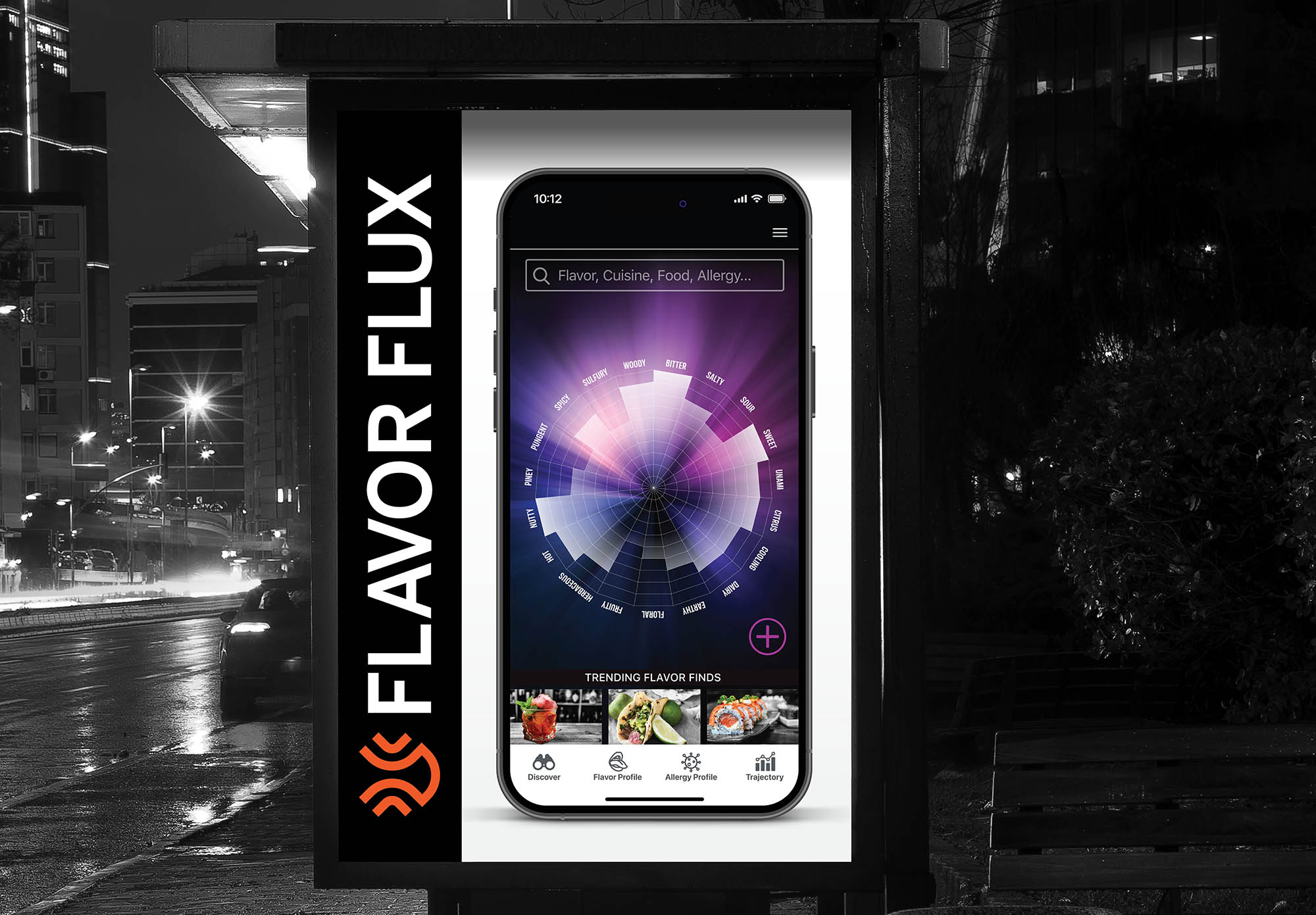
Developing the Flavor Flux app solved the root problem of the restaurant discovery process by enabling users to identify restaurants with the flavors they craved and any potential food allergies users might have, without having to carefully analyze the menus of each dining option. By creating flavor and allergy profiling, all search queries were automatically filtered based on these preferences, providing targeted, user-centered suggestions that significantly reduced the effects of choice overload.
VIEW FLAVOR FLUX CASE STUDY >

More works

More works

More works